Serving Spring Hill since 2009. 1010 Crossings Blvd. Spring Hill, TN 37174
Open Monday to Friday931-489-5979

Start with where it hurts

Tap a spot on the figure to see what we commonly treat there and how.

Low back

What we commonly see

  • Low back pain
  • Bulging or herniated discs
  • Sciatica and pain down the leg
  • Lifting and sitting strains

How we may help

  • Spinal decompression, if your exam points to it
  • Hands-on and drop table adjustments
  • Core exercises for home
  • Cold laser
Tried pills or shots and still hurting? About half our patients come in after something else did not work.
Call to book
Back and neck pain

Back and neck pain

This is most of what walks through our door: low back pain, neck pain, stiffness, and the headaches that often come with a tight neck. Sometimes it started with an injury. Often it just built up from long days at a desk or behind the wheel.

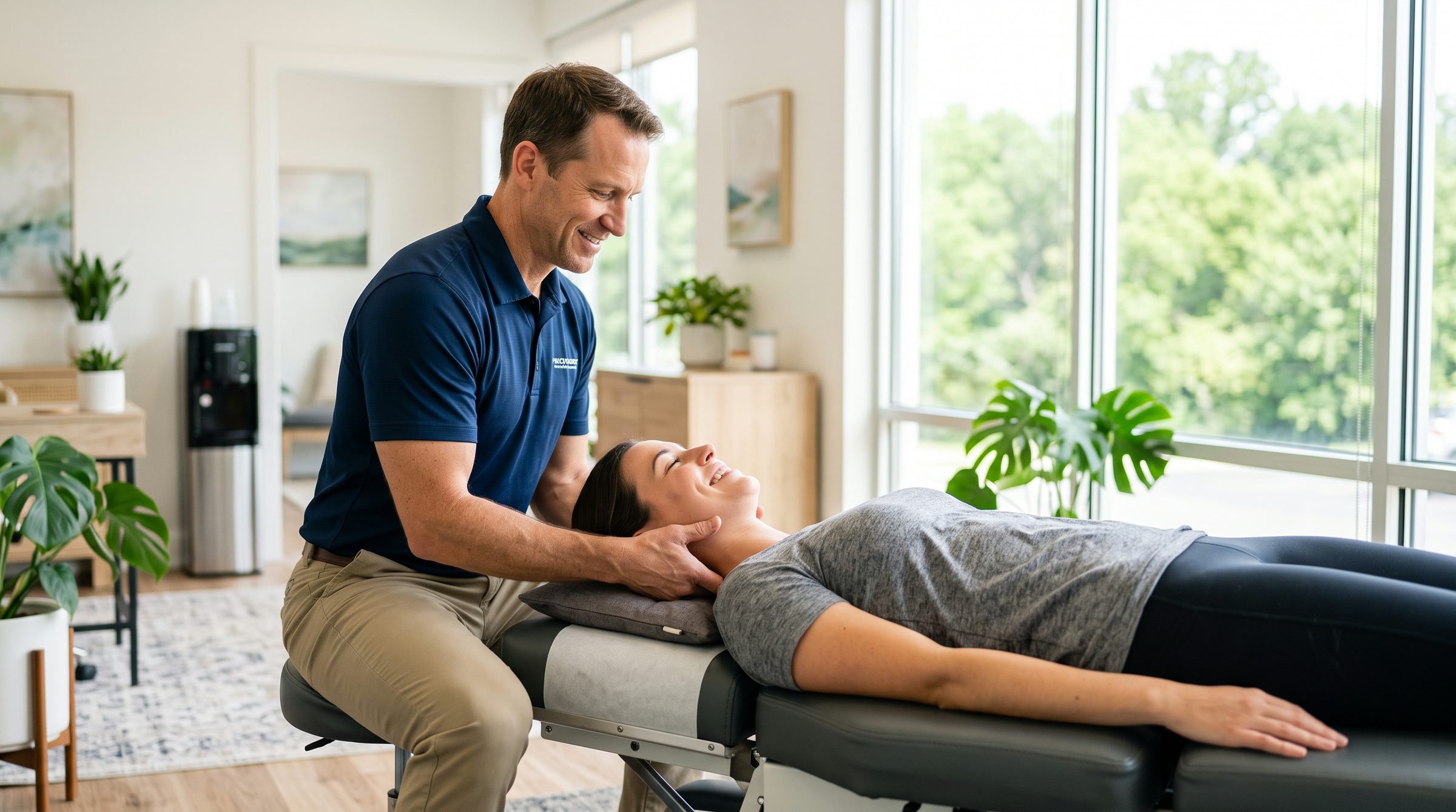
The doctor finds which joints are not moving well and adjusts them, by hand or with a low-force instrument. You also get simple exercises for home, so the same problem is less likely to come back.

Disc and nerve pain

Disc and nerve pain

Many people come in after being told they have a bulging or herniated disc, or with pain, numbness or tingling that travels down a leg or an arm. Most have already tried pain pills or a shot.

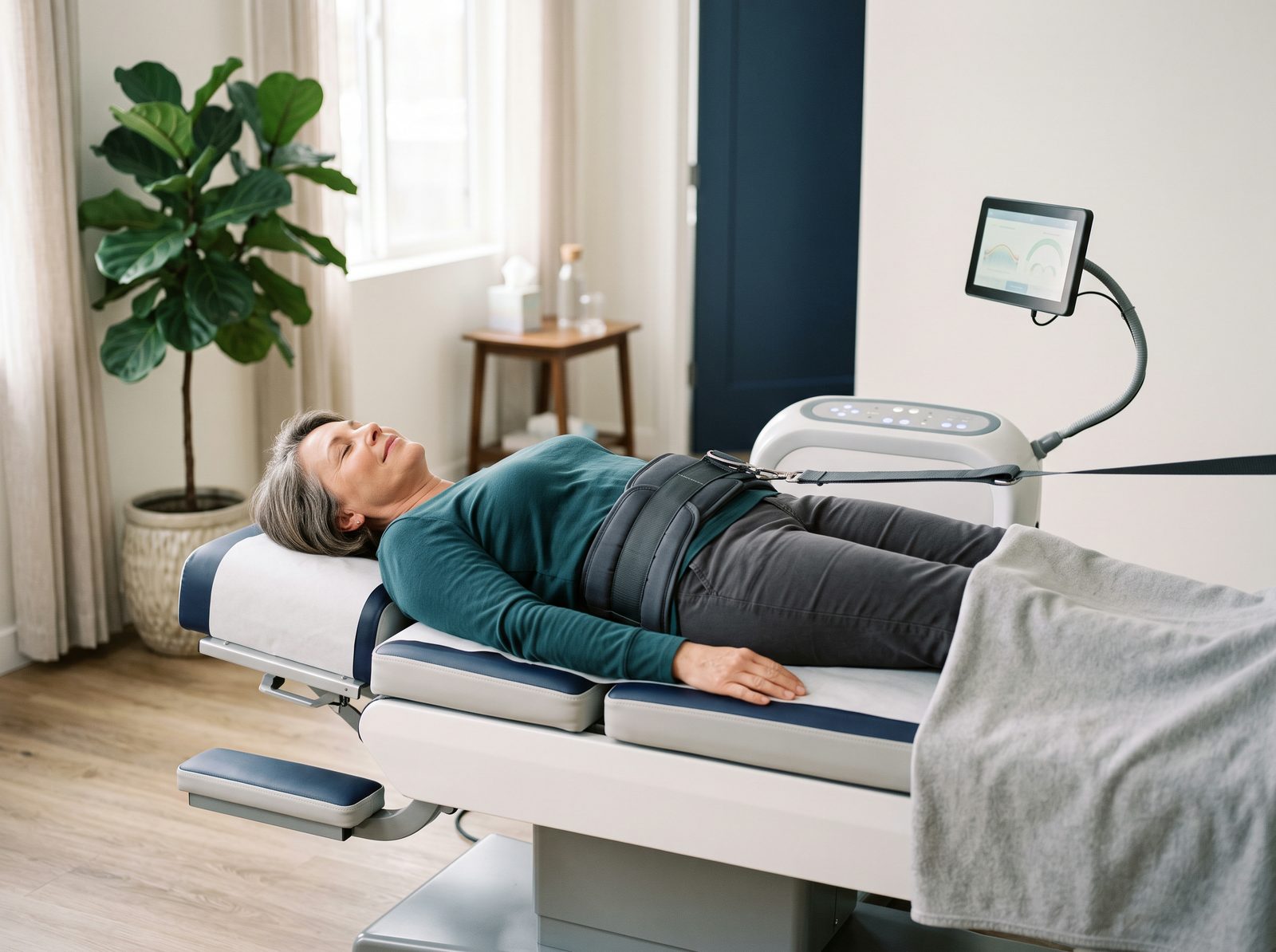
Depending on your exam, the doctor may suggest adjustments, spinal decompression, or both.

How spinal decompression works

Joints and extremities

Joints and extremities

Shoulders, elbows, wrists, hips, knees, ankles and feet can lose motion and get sore the same way the spine does. We adjust them by hand or with an instrument.

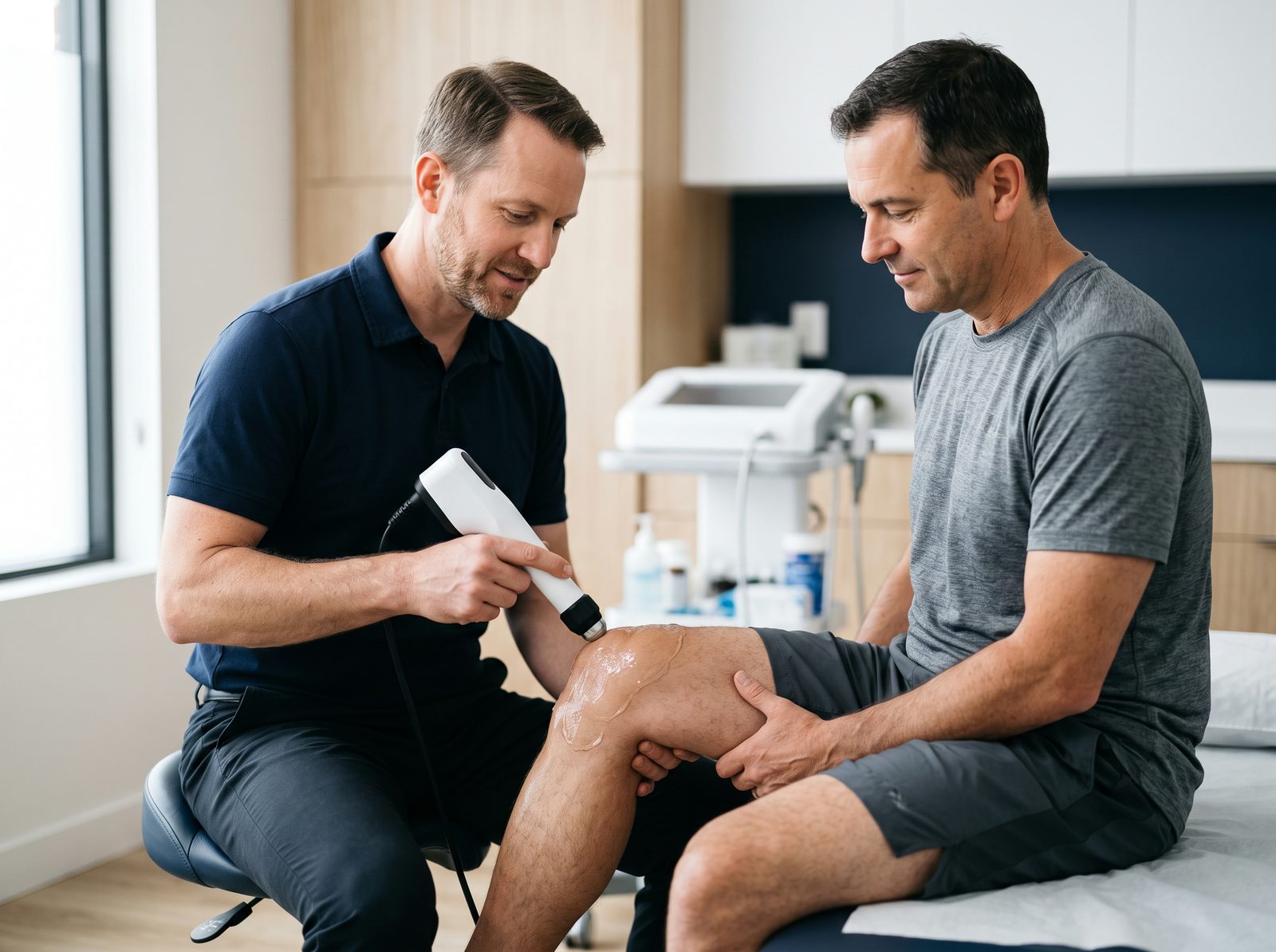
For a sore tendon or joint, StemWave is another option. New patients can try it for $49, including a consult and the first session.

How StemWave works

Sports injuries

Sports injuries

A hurt shoulder from throwing, a knee that aches after a run, or a strain that will not settle down. Dr. Johnson played wide receiver at Clemson, so he knows what it is like to want back on the field.

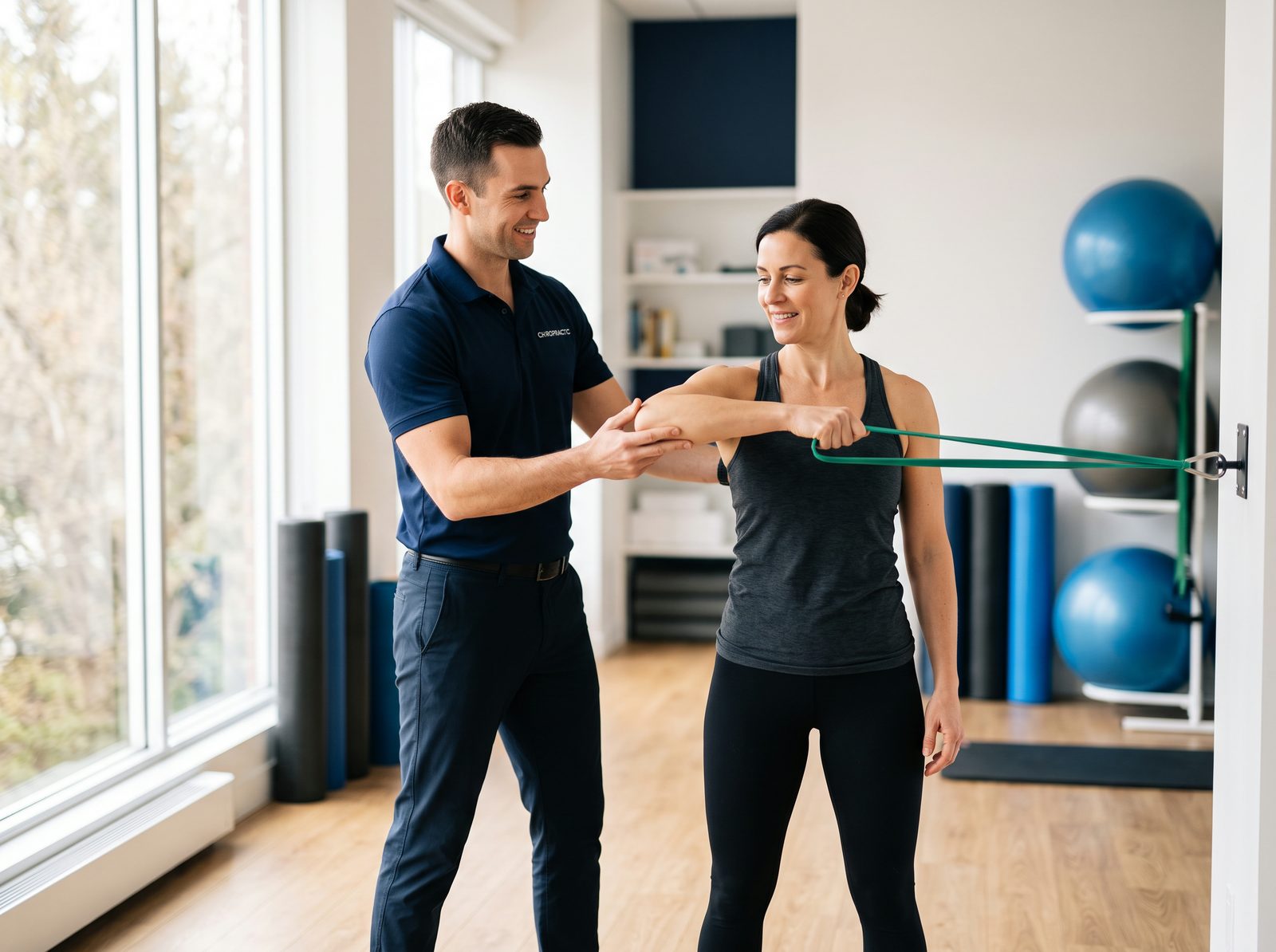
Care usually combines adjusting with exercises to strengthen what got hurt.

Pregnancy

Pregnancy

As your body changes, your back and hips carry a lot more. We adjust moms through every trimester with gentle, low-force techniques, and the doctor walks you through everything first.

Babies and kids

Babies and kids

We adjust babies and newborns, and kids of every age, with very light pressure sized for them. Dr. Johnson and Heidi's own three kids have been adjusted since birth, and lots of families come in together.

How we adjust, in plain words

Worried it will hurt? The doctor explains the technique and what you will feel before anything happens. Nervous first-timers are normal, and you can always ask for a gentler option. And no, it is not just cracking backs.

Diversified

The classic hands-on adjustment. The doctor finds a joint that is not moving well and applies a quick, specific push. You may hear a pop, which is just gas shifting in the joint.

Thompson drop table

Sections of the table drop a fraction of an inch as the doctor adjusts, so less force is needed. Many first-timers start here.

Activator

A small handheld instrument delivers a light, quick tap. No twisting and no popping, which makes it a good fit if you are nervous, older, or adjusting a small joint.

Toggle recoil

You lie on your side while the doctor makes a quick, light contact at the top of the neck. Gentle, and over in a second.

Trigger point therapy

Steady pressure or stretching on a tight knot of muscle to help it let go.

Extremity adjusting

Shoulders, elbows, wrists, hips, knees and feet can lose motion too. We adjust them by hand or with the instrument.
Other therapies we use

Alongside adjusting, your plan may include hydrotherapy massage, electrical stimulation, ultrasound, cold laser, and exercises to do at home. Digital x-rays are on site for when the exam calls for them.

Ready when you are.

Call or book online. New patients are usually seen within one business day.

Call to book